
Mexico City digital nomad guide: Americans are moving to Mexico City for a lower cost of living
Laura Bronner wrote this Mexico City digital nomad guide. She’s a full-time travel blogger and digital nomad who has lived in Mexico City for the past four years.
📬 Reader Mail: Hello Trisha! I know you lived in Mexico City 2 years ago and I am here! Everything is closed at the moment because of COVID but I’d like to know what it’s like to be a Mexico City digital nomad.
Did you already make a post? I would like to know some tips about meeting fellow digital nomads here. I hope you can pass some contacts. Thank you so much!
– Jess Manthey, New York, USA
Hi Jess!
Thank you for reaching out – I really appreciate it! I lived there for a few months in 2018 and Mexico City is one of my favorite places to visit in Mexico.
I still come a lot for short layovers but you’re right, since everything is closed, it’s a little hard to move around the city right now.
Currently, I am not updated about being a digital nomad in Mexico. It’s been years since I lived there. With this, I invited a good friend of mine, Laura Bronner from Eternal Expat who’s currently living in Mexico City and has been a digital nomad for over 6 years. In this guide, she will give you some insider tips about DN living in the capital.
Of course, if you plan to relocate to the Pacific coast of Mexico, you know that I live in Vallarta so come over and connect! I would love to show you around. Good luck with your move!
Xx,
Trisha
Is Mexico City good for digital nomads?
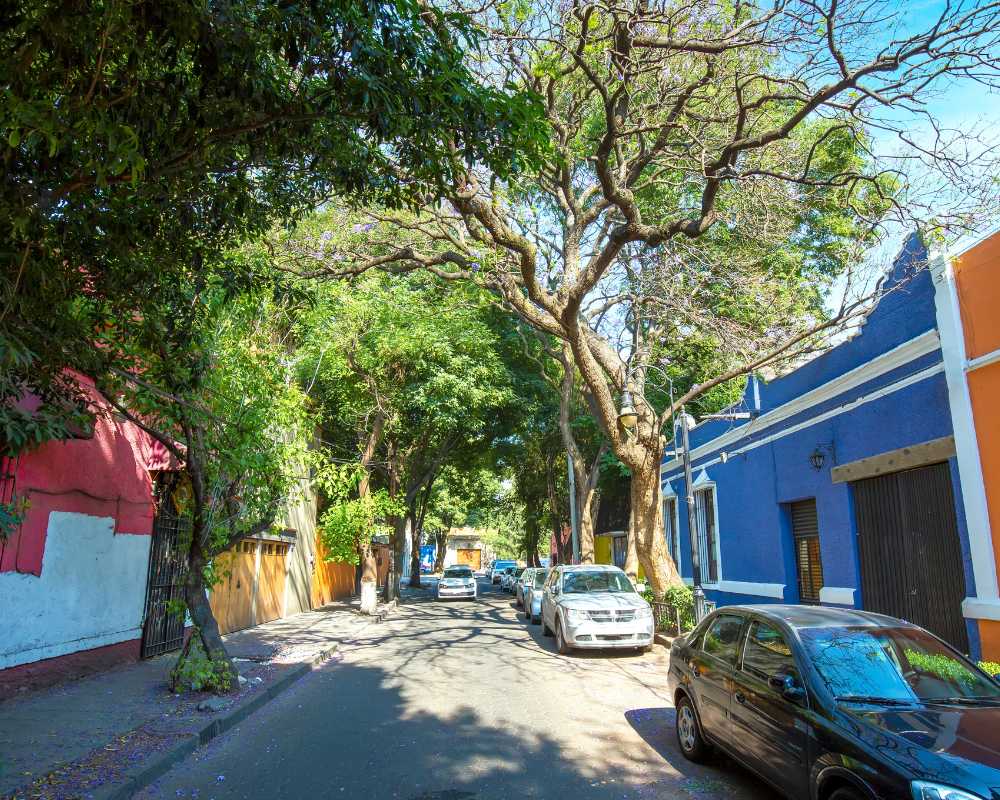
ABSOLUTELY! In the last few years, Mexico City has firmly planted itself on the list of the best places for digital nomads to live.
While Mexico City doesn’t offer the beaches of other popular Mexico digital nomad spots like Playa del Carmen or Tulum, what it lacks in sea and sand, it makes up for in so many ways.
Mexico City is home to not only some of the top restaurants in Mexico but some of the top restaurants in the world. It’s a foodie paradise and all at a price most digital nomads would find incredibly affordable.
Does Mexico have a digital nomad visa?
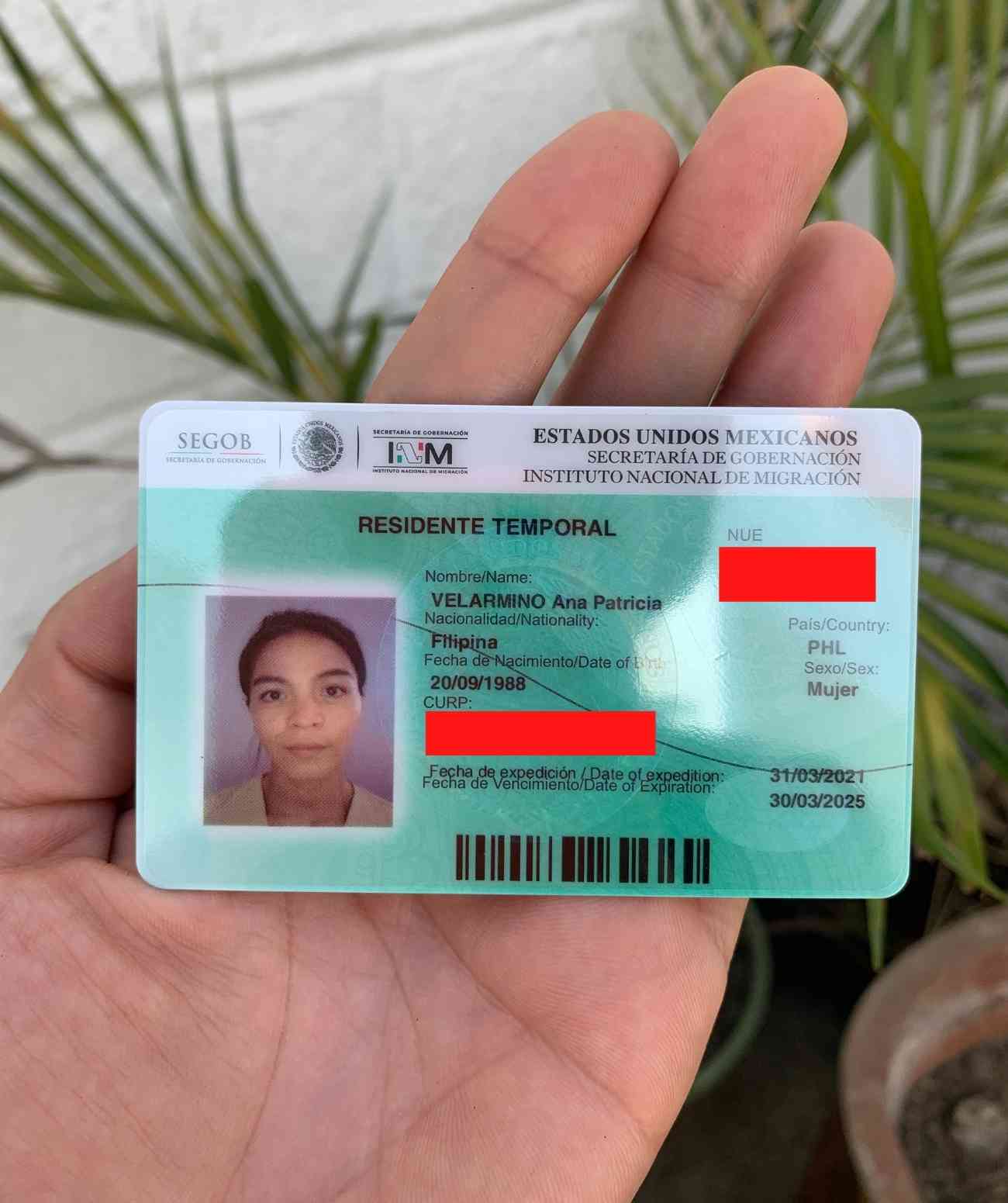
Yes! It’s not called a digital nomad visa per se. Similar with Spain, the Mexico digital nomad visa is called the non-lucrative visa (no-lucrativo) which allows you to work remotely in Mexico.
They usually give a one-year residency visa (in my case, I got a 4-year visa) for you to be able to enjoy an affordable quality of life in Mexico.
I explained how to apply for this visa type in the visa section of this post. You can also visit the detailed guide if you need more information!
Can I live in Mexico and work remotely for a US company?
ABSOLUTELY! Actually, this is the first requirement in acquiring a Mexico digital nomad visa. You need to prove that you are earning $2,000 USD for a company outside of Mexico. This is if you plan to apply for the digital nomad visa.
🎁🎉 Get Laura’s e-book: Laura has published an e-book about everything you need to know about Mexico City. This fully packed guide is only $15 USD and is super authentic because she’s been living here for 4 years! Click here to get it now!
👋 Mexico City digital nomad: personal experience
I have been living in Mexico City for over four years now and have seen the digital nomad scene explode in that time. I came here because I knew it would be more affordable than where I was living before (Seoul, Sydney, and New York), but I still wanted a big city living.
I run a travel blog and YouTube channel all about life as an ex-pat with a heavy focus on life and travels around Mexico.
I spend most of my days working from home because the traffic in Mexico City can be unbearable, so be sure to keep that in mind when you choose what neighborhood you want to be in because that’s likely where you’ll spend most of your week.
However, I also love heading to a nearby cafe to work or meeting friends at a coworking space. There are tons of both in Mexico City with new ones popping up every month to satisfy the demand.
I’ve made digital nomad friends here who work in so many different sectors.
Some run their own businesses as I do and others have full-time jobs back in the US or Canada, but they are able to do them remotely, so why not in the warmth of Mexico City where you can still manage the time zones well?
💲 Cost of living in Mexico City
If you want to live in the popular ex-pat neighborhoods of Roma Norte or Condesa and you plan to rent for at least a year and furnish your own apartment, you can find studios and one-bedrooms places for as little as 10,000 Pesos (about $500 USD).
With the same budget, you can get an even nicer or bigger place in neighborhoods like Escandon, Navarte, Del Valle, or Roma Sur.
There are great digital nomad accommodations in Roma that start with $35 USD per night (one person, studio unit).
If you are only planning to be in Mexico City for a few months and you want to be in neighborhoods like Roma or Condesa, you’ll need to up your budget to at least $600 USD per month and with that, you may even be sharing an apartment with a roommate. However, this price usually includes your bills.
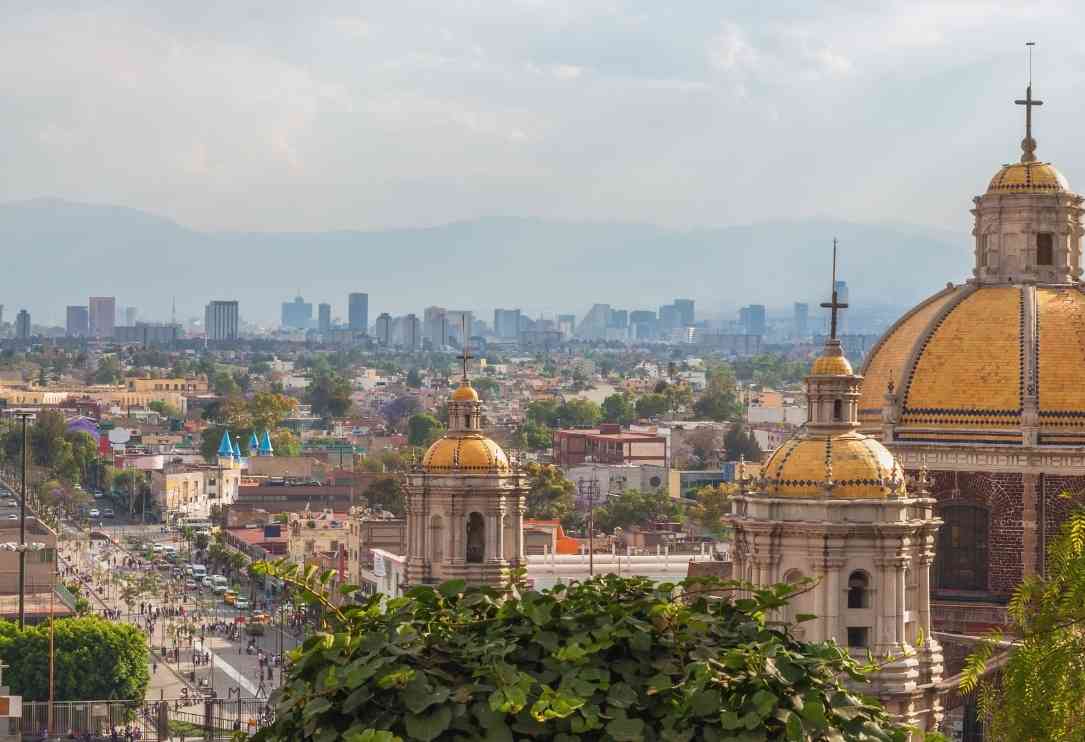
The best place to look for short-term rentals is through Airbnb. You can contact the owner directly before booking and see if they will offer you a discounted monthly rate if they aren’t already and if you plan to stay for three or four months, they may lower the price even more.
You can also put out messages that you are looking for a furnished apartment in the Facebook groups that were listed above.
Besides rent, living in Mexico City is incredibly affordable. You can buy all of your weekly groceries from local markets like Mercado Medellin or the Condesa farmer’s market on Tuesday mornings and you’ll have plenty of change left over for a plate of tacos, which usually cost less than a dollar each.
🤝 Foreign digital nomads in Mexico City
Mexico City is a huge mix of people, just like any big city. There are people of varying ages as young as 18 or 19 who are studying online and living here as well as people in their 40s and 50s who have established online businesses that allow them to work from anywhere.
The majority of digital nomads that I’ve met in Mexico City are in their 20s and 30s. If you head to a cafe to work or sign up for a membership at a local coworking space, you’re likely to be surrounded mostly by people in that age bracket.
I’ve found the best way to network and meet fellow digital nomads through Facebook groups. Whether you’re looking for coworking pals, hiking buddies, or just some friends to go out for Friday night drinks with, there’s a group for you.
That’s the beauty of a city with over 20 million residents. I recommend starting with these Facebook groups to see when people are having meetups or coworking sessions:
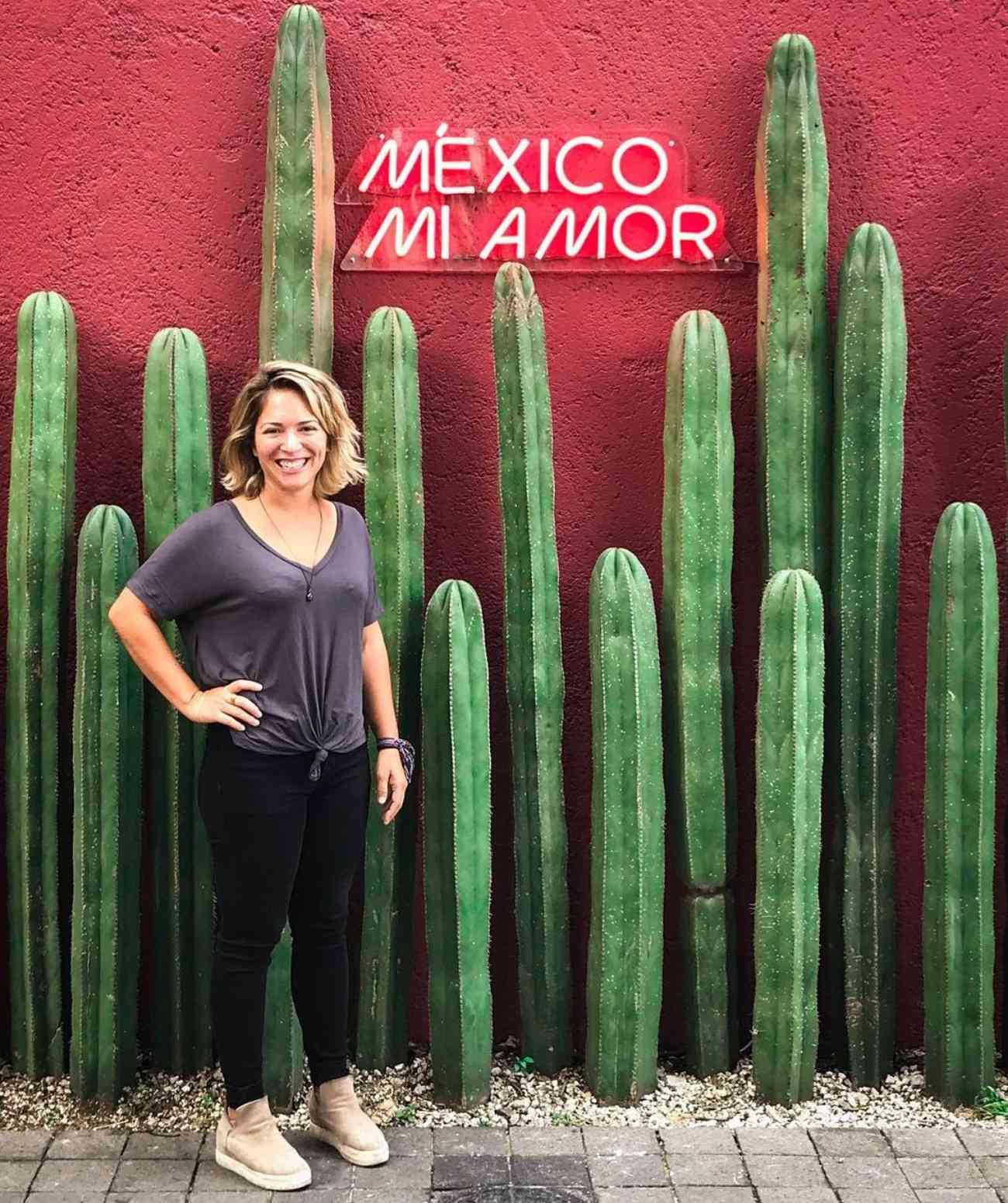
📡 Internet speed in Mexico City
Mexico City has the best internet that I’ve experienced in all of Mexico. There are several different options available if you plan to rent long-term and want to set up your own internet.
The two companies in Mexico City that currently offer high-speed fiber-optic internet are Izzi and Infinitum. Both cost roughly 500 Pesos per month (about $25 USD) and usually include a phone line and sometimes cable TV as well, depending on what offer they’re running at the time of signup.
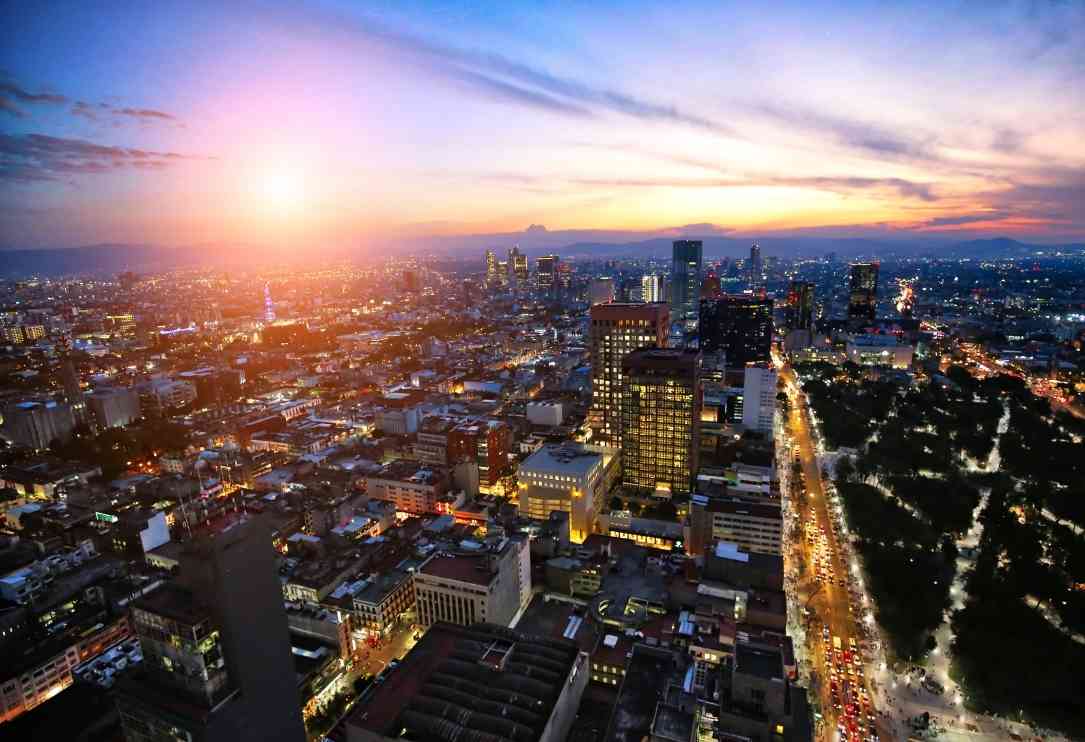
If you go to a coworking space or a cafe that is well known for coworking then you can be sure that you’ll be using pretty high-speed internet.
SIM cards are relatively easy to get in Mexico. Simply head to an Oxxo or 7-11, both are very popular convenience stores, where you can buy SIM cards and have them activated while you’re there.
My personal favorite service provider for Mexico City is Telcel. They have the best coverage and for about 200 Pesos ($10 USD) per month, you can get unlimited calls and unlimited use of apps like Whatsapp, Facebook, Twitter, and Instagram.
You only use your data when you go on a web browser or an app different from these other two. You can top up your phone at any local corner store that has a Telcel sign outside.
🧳 Mexico digital nomad visa
Mexico offers a visa waiver of 180 days to most passport holders. The full list of countries that do not require a visa before entering Mexico can be found here.
This means that if you are on that list, you can enter Mexico and stay for up to six months as a digital nomad without paying for anything other than your flights in and out of the country.
If you are flying from the US, you usually need to show proof of onward travel from Mexico in order to check into your flight. For digital nomads who wish to reside in Mexico, you can read the post, Mexico digital nomad visa explained.
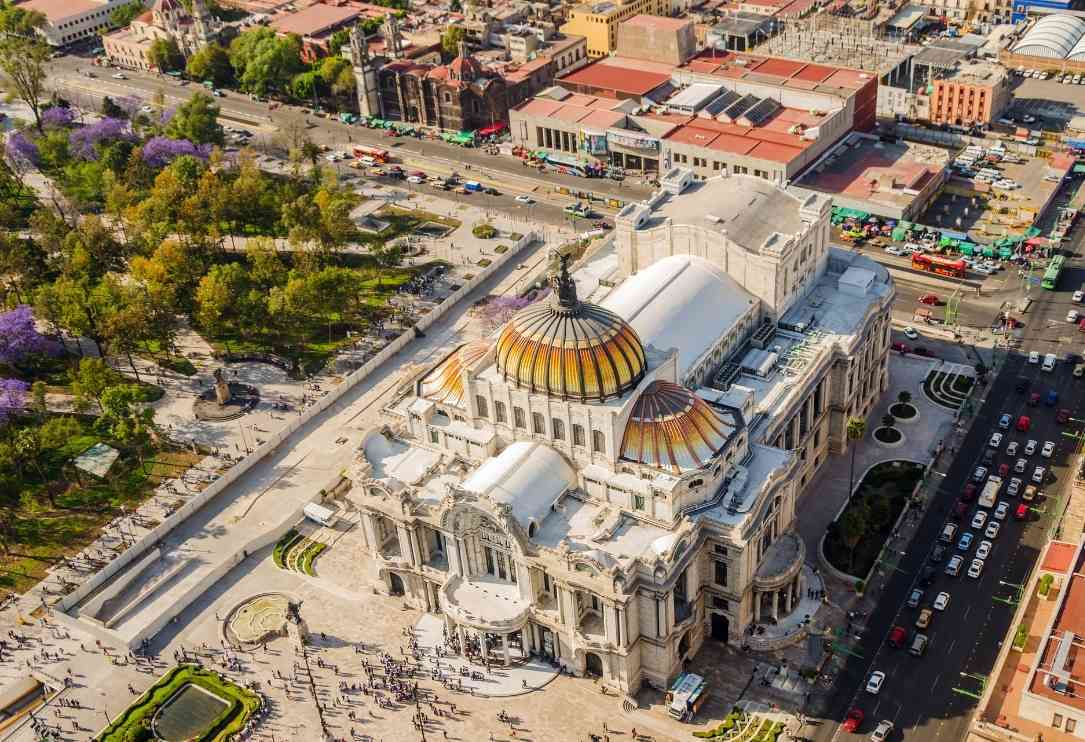
☕ Mexico City Cafes for digital nomads
There are so many great cafes in Mexico City with strong WiFi and strong coffee, you’ll have trouble choosing which to work from on a day-to-day basis.
Boicot Cafe (Roma and Condesa)
📍 Roma Norte | Condesa | Polanco
Cold-brew lovers won’t want to miss grabbing their morning coffee here while they work. There are two locations in the city, but I find the Roma location a little bit more spacious and better for work. It’s packed with outlets around every table and the service is great.
Their ciabatta sandwiches are affordable and filling at only 69 Pesos or roughly $3.50 USD. However, it’s their desserts that really bring me back for an afternoon work session.
The date pie, the rich chocolate brownie topped with melted marshmallow, and any of their muffins go really well with a cup of coffee.
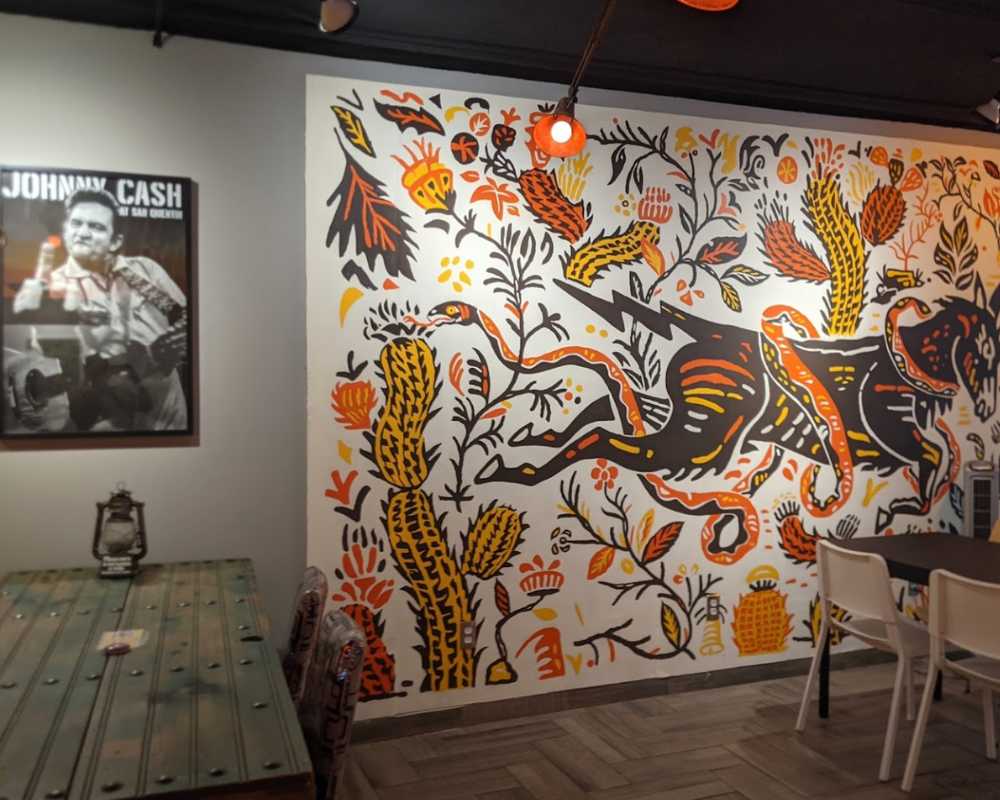
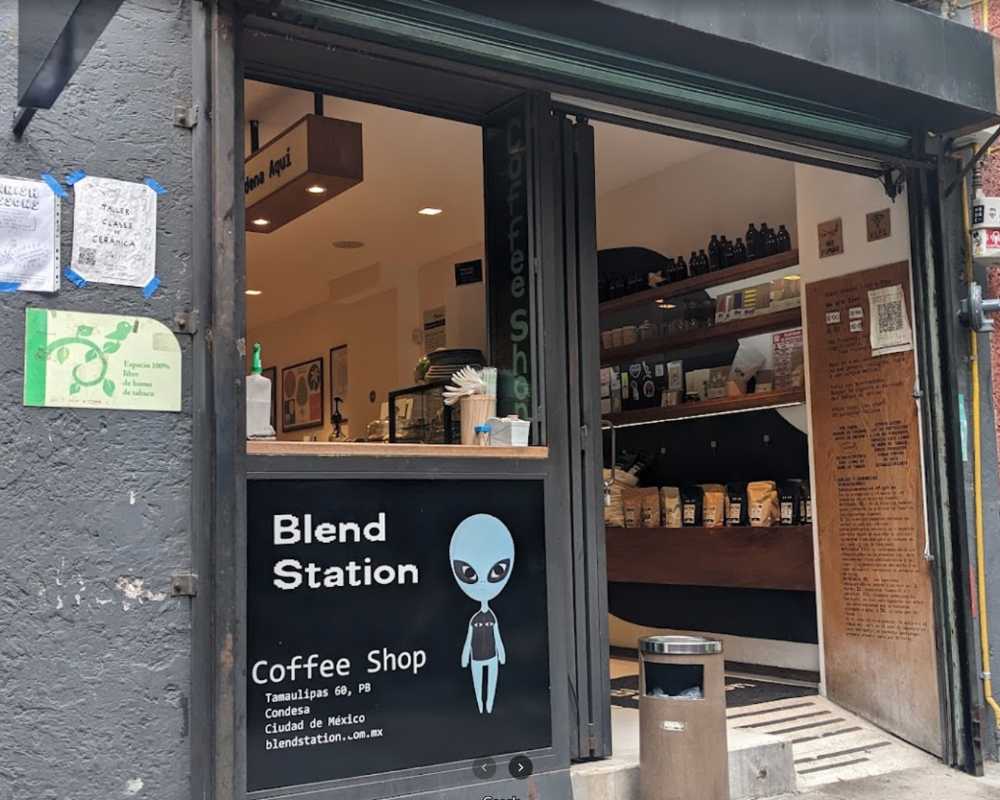
Blend Station
📍 Condesa | Roma Norte
Blend Station is my favorite place to work and it’s my favorite cup of coffee in the entire city. No one does a better flat white than the baristas at blend station.
A cup of coffee will set you back about $3, but you can sit and type away on your computer with that empty cup at your side all day if you want and no one will kick you out.
The food here is fantastic, especially the salads and toasted sandwiches. They also have a few nice sweet desserts on offer as well as a huge selection of tea and perfectly made macha lattes.
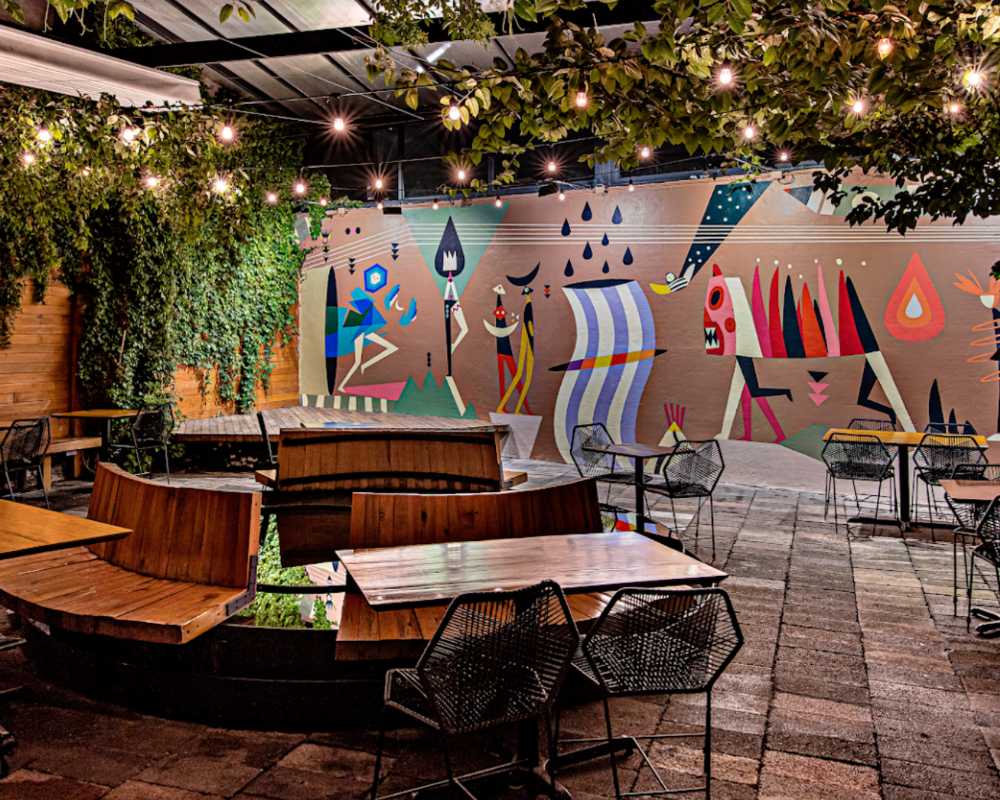
Freims
You’ll have to wait for the morning breakfast rush to subside at this cafe, but by 10 am, you’ll be able to grab a table here and work with a coffee and a salad for a fair few hours before the afternoon rush arrives again.
This is a nice cafe for working in Condesa if you live around the tree-lined street in Amsterdam and don’t want to travel too far for a good cafe and good WiFi.
🐱💻 Co-working spaces in Mexico City
There is an insane number of coworking spaces in Mexico City, especially in Roma Norte, Condesa, and Polanco.
Some, like WeWork, require you to have a monthly membership, but if you are looking for a place to make phone calls, you have things you need to print, or you love having a cold beer as you finish up the workday, it’s pretty well worth the price of just over $200 a month for a desk.
Coffice
📍 Pl. Villa de Madrid 9, Roma Norte
📞 +52 55 5514 8416
This is one of the easiest places to head if you are only here for a short time and you don’t want to invest in a monthly membership.
Coffice is basically a cafe, but you don’t pay for your coffee, you pay for your time. You can pay by the hour or you can pay for a full day, which costs 200 Pesos or about $10 USD.
No matter what amount of time you spend here, a cup of coffee or tea is included. However, if you want to have a latte or something to eat, you’ll have to pay extra.
WeWork Reforma Latino
📍 Av. Paseo de la Reforma 26
📞 +52 55 4770 7728
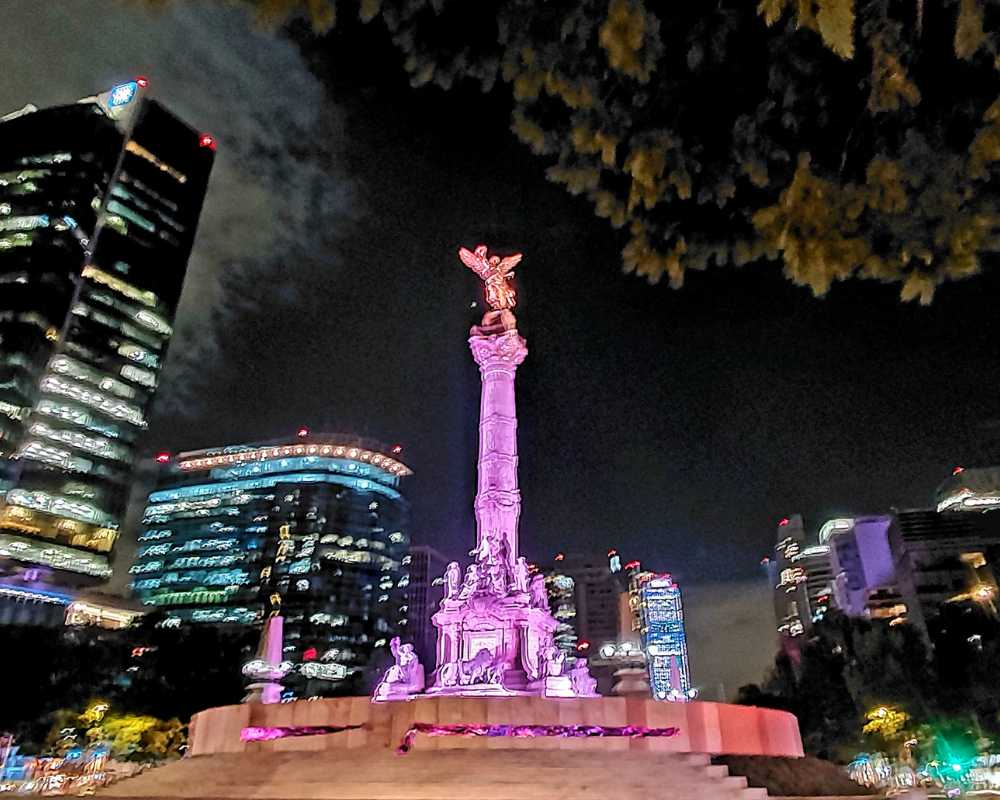
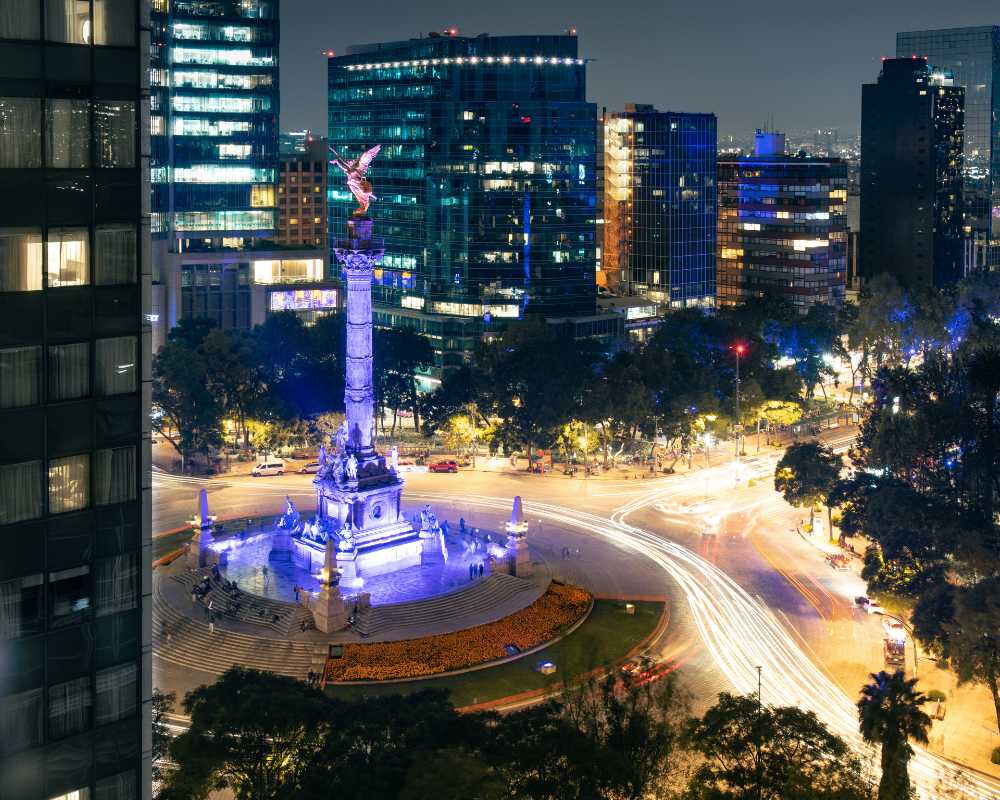
There are a lot of WeWork locations in Mexico City, but none have a view quite like the WeWork on Paseo de La Reforma overlooking the Angel of Independence monument.
The offices are located on the 40th floor, so you get a pretty spectacular view of the whole downtown area of Mexico City as well as access to free water, soda, coffee, beer, and a fridge to put your food.
There is also a cafe where you can buy lattes, sandwiches, cakes, and cookies.

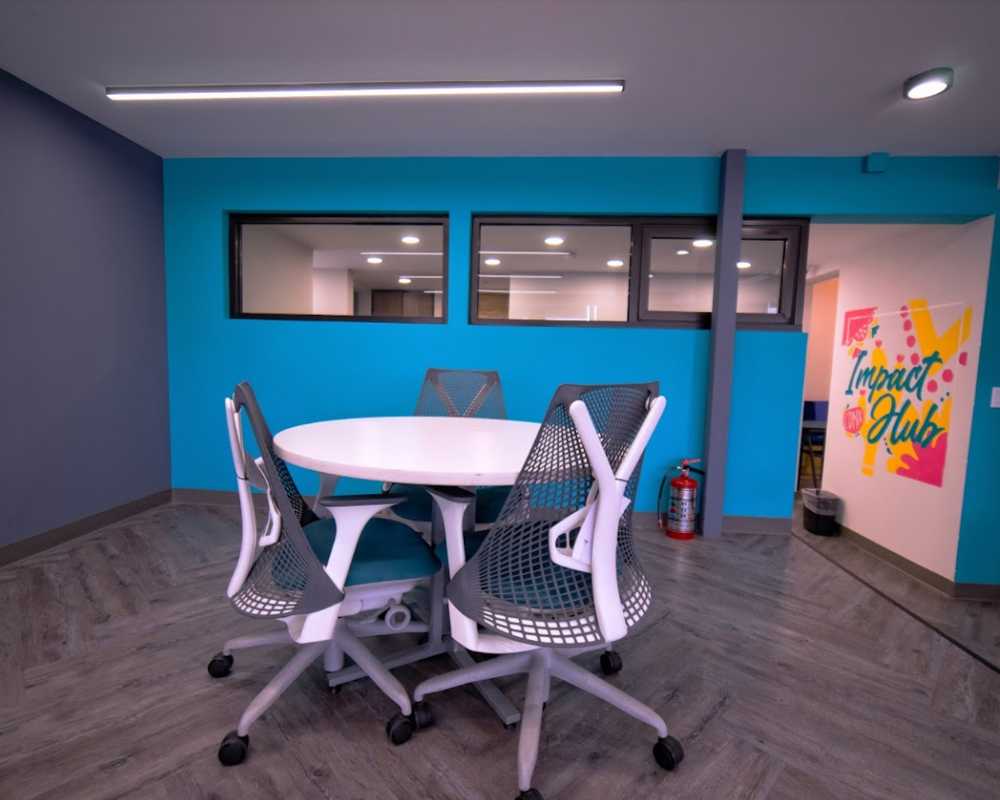
Impact Hub
📍 Av. Álvaro Obregón 213, Roma Norte
📞 +52 55 6388 0811
This is my personal favorite coworking space in Mexico City. It’s on the main street of Roma Norte, Alvaro Obregon, so it’s close to great restaurants, cafes, taco stands, and the Metrobus.
But as soon as you come inside you feel like you’ve walked into a quiet haven perfect for working.
The internet speed here is one of the best on the list and the staff are incredibly friendly. You can either pay for a daily, weekly, or monthly membership with a daily rate starting at 200 Pesos (about $10 USD).
🏠 Mexico City Apartments for rent
Please note that as of the moment, it is very hard to find apartments for rent in Mexico City. Many locals have been kicked out of their homes because of the digital nomad trend and it has greatly affected the local economy.
Below are some apartments that I can recommend that are for digital nomads (short and long stays). All these apartments are in the Roma neighborhood of Mexico City.
Miraflores Roomy Flat
Miraflores Roomy Flat is located in Cordoba Street with ample bars and restaurants around. Oh no, don’t worry, it’s not too loud!
What I love the most about this apartment is there’s a lot of light coming in from the big windows. You can even watch the sunset from the living room!
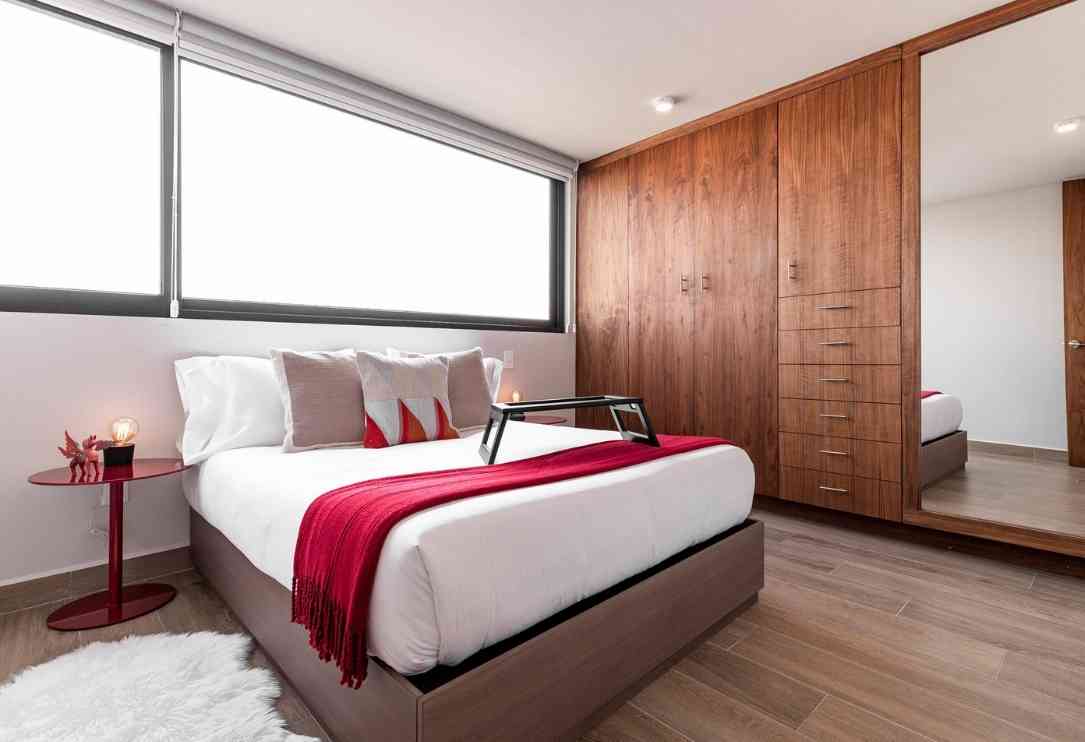
It doesn’t have its private terrace but you can stay at the rooftop for sunset viewing or even working. They have separate wifi on the rooftop!
Alebrije Stylish Retreat
Most accommodations in Mexico City are already Instagram worthy but the Alebrije Stylish Retreat is 100 times more instagrammable!
Popping hues of Mexican blue, teal and yellow envelope the whole apartment. The terrace doors are massive which allows enough light to come in.
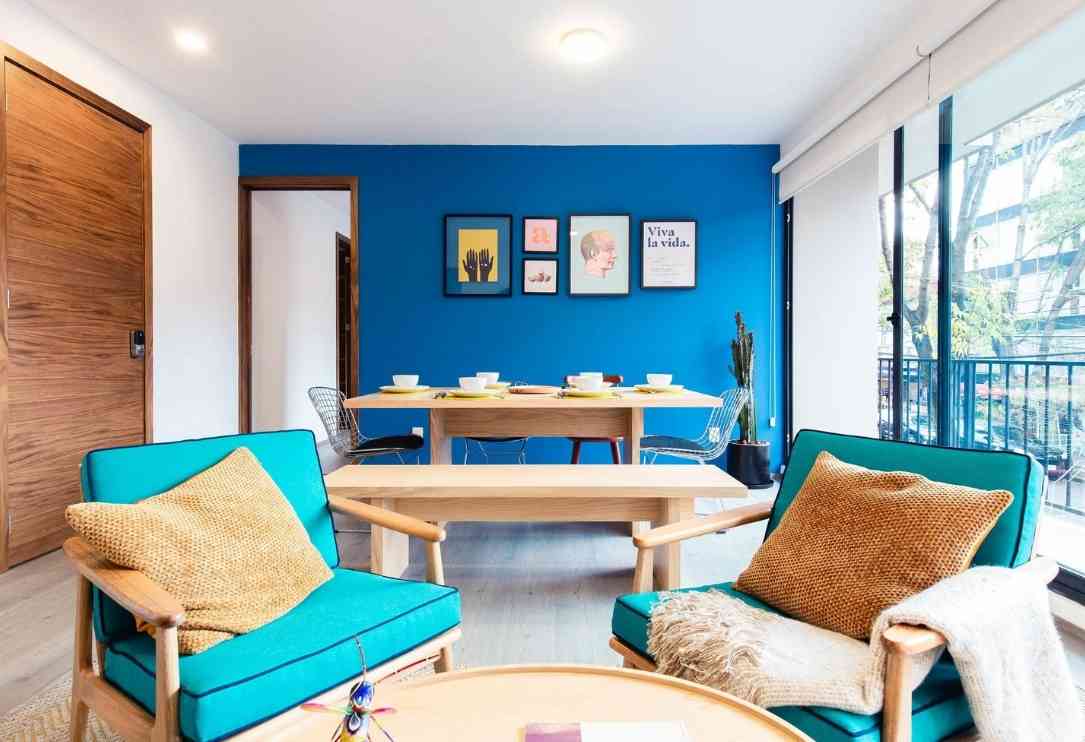
Light is really important for me in terms of working from home so this one is upvoted! The terrace is the best place to go people watching.
Américas Comfy Retreat
Starting at $50 USD a night, Américas Comfy Retreat is a one-bedroom apartment unit with an open layout. It could look really small in the photos but it’s definitely spacious for two people.
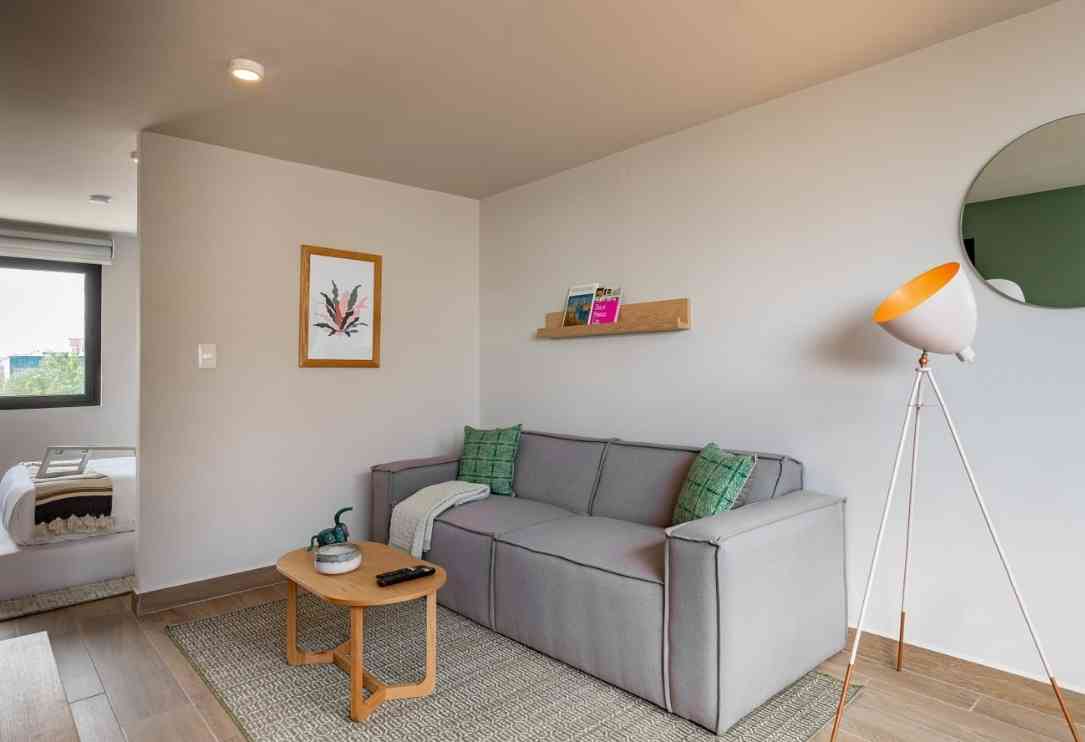
I recommend this for couples because the bedroom doesn’t have a door. But that really makes this a liveable space and easy to move around.
👍🏽 Pros of living in Mexico City
Cheaper cost of living than the US
You can live comfortably in Mexico City for $2,500 USD. This is already a great budget for having a good apartment in Condesa or Roma areas (which are the most expensive areas in Mexico City).
Eating out can cost up to $7 USD per meal and that is already in a nice restaurant in the fancy neighborhoods. Mexico City is also a walkable city so you don’t have to always pay for transportation.
Great transportation
Local transportation in Mexico City is great with subways, trains, busses, and everything you need to go around the city. Uber is also very cheap! You can go from point A to B for under $8 USD.
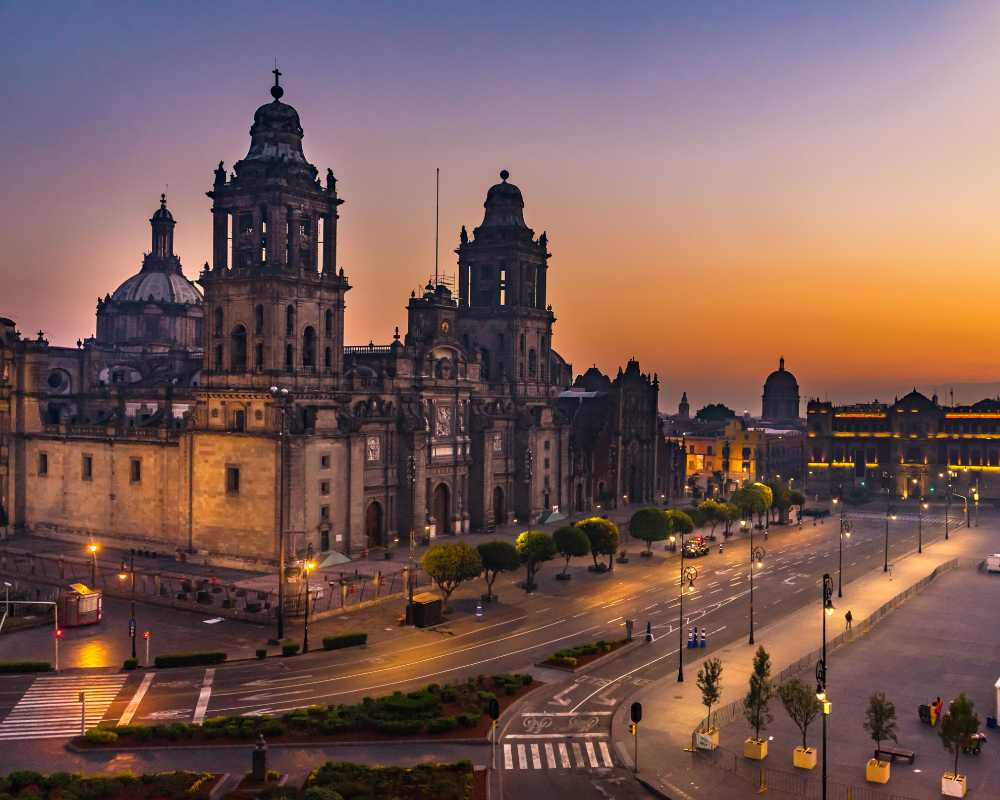
Getting to anywhere you wish in Mexico by bus is also very efficient. Mexican busses are convenient and comfortable! Visit nearby cities like Queretaro, Puebla, Guanajuato, and San Miguel de Allende from Mexico City easily.
Mexico City is the food capital!
Whatever you want to eat, Mexico City has it! It is also home to the best bars and restaurants in the world including the world-famous Puyol by Chef Enrique Olvera. A tasting meal costs $150 USD (9 course).
For those who want to live in Mexico City on a budget, you will be very impressed with the street food scene in Mexico City which you can get for as low as dollar.

Convenient flights
All flights within Mexico stop in Mexico City so you will find all direct flights access from the capital. If you plan to live in Mexico City as a digital nomad and visit other destinations in Mexico, you can opt for a monthly pass on the budget airlines like Volaris (from $25 USD per month subscription).
With this subscription, you can fly for free to any destination from Mexico City (one free flight per month).
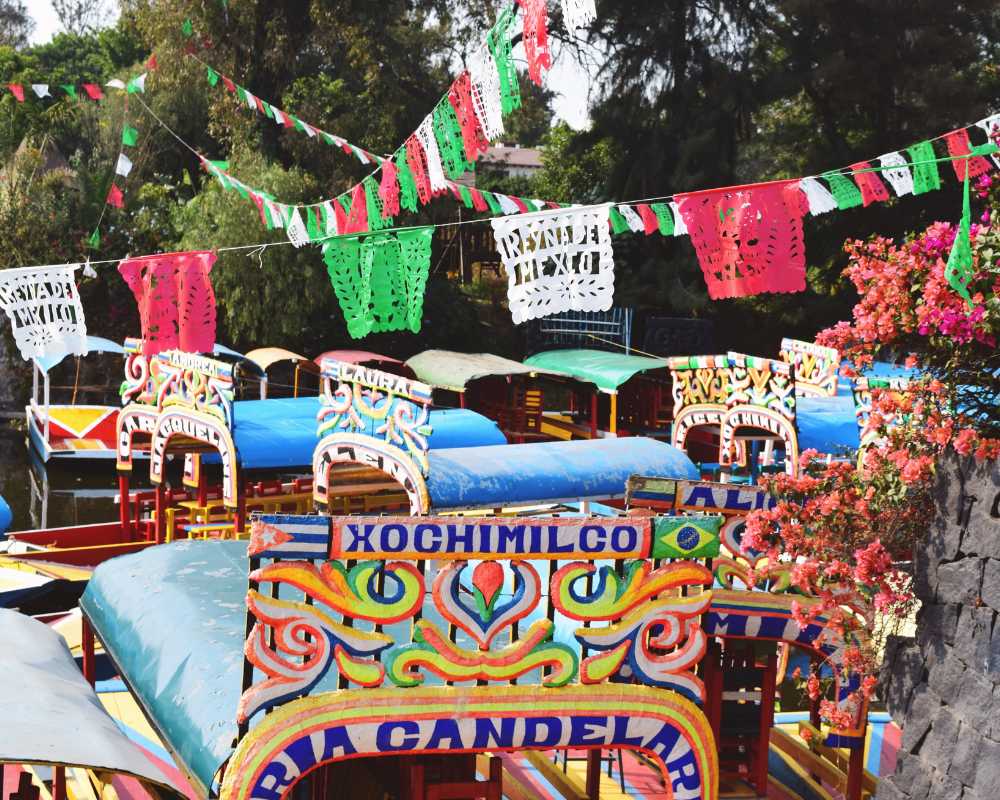
Great nightlife
Mexico City has a lot of young expats and locals. This is one of the biggest cities in Latin America so expect to see speakeasy bars and cocktail bars that are ranked best in the world.
This city is alive 24/7 so you’ll also find street taco joints in the wee hours of the morning! To be honest, I feel like all the best tacos in Mexico City only open by 12:00 AM – 5:00 AM.
These are the ones I go to because late-night eats are always better in CDMX!
Easy to make friends
Every nationality is in Mexico City! This is the easiest I’ve made friends in every city I lived in and it’s such a vibrant community to belong to!
You can move to Mexico City without worrying about making friends but that is if you put a little effort. The Facebook expat groups in CDMX does weekly hang outs – do that as a start!

👎🏽 Cons of living in Mexico City
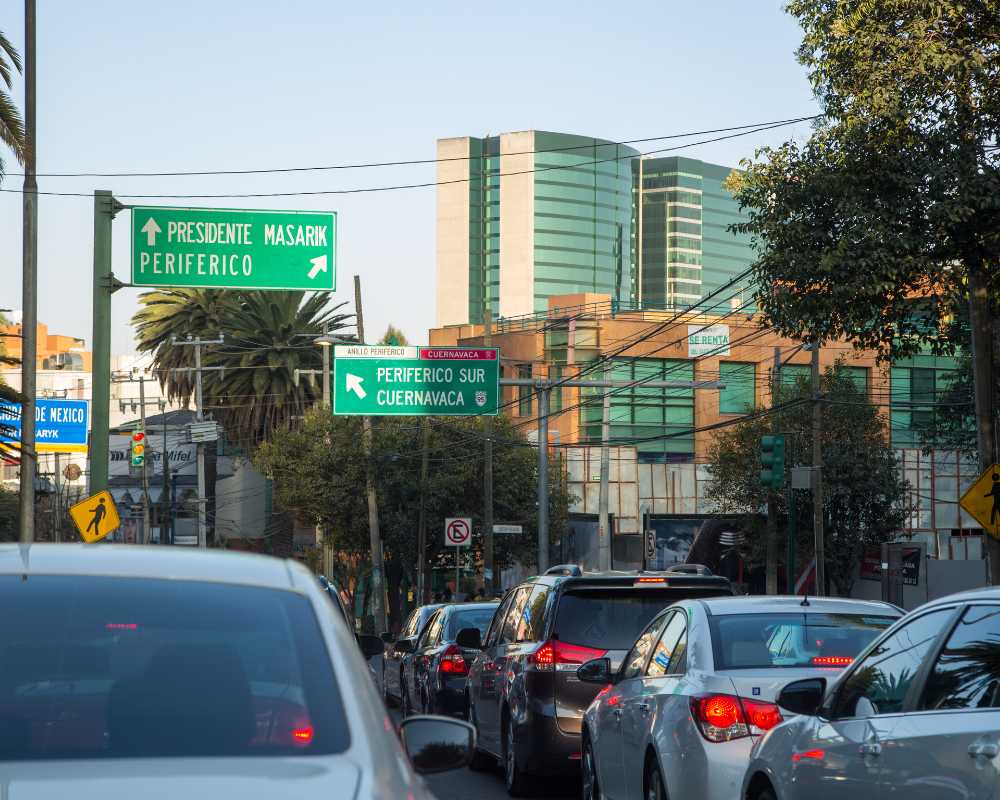
Heavy traffic all the time
If you are only in the Condesa and Roma areas, you don’t even have to take a taxi so you probably won’t experience this crazy Mexico City traffic.
However, if you are going out of these two via Uber, expect bumper to bumper traffic. If you are not used to living in a big city, this may be unbearable to you.
Rent is getting expensive
Sure, the cost of living in Mexico City is cheaper than the US or Canada but the rent prices are getting ridiculous because of the digital nomad trends.
In 2018, I rented an apartment in Roma Norte for $650 USD and that same apartment is now for rent for $1,000 USD!
🙋 Questions about Mexico City? Leave a comment below or connect with me on Instagram or Tiktok where I answer questions without a cost.
🇲🇽 Mexico City Travel Resources
🚑 Do I need insurance to travel to Mexico City?
Yes, you do! This is the number one requirement when traveling to Mexico. I use SafetyWing and I only pay $40 USD per month for my digital nomad travel insurance!
✈️ Where can I find cheap flights to Mexico City?
You can find cheap flights to Mexico City by using WayAway. This is my current flight search favorite and I have proven that flights on this website are way cheaper!
🛏️ Where can I find cheap hotels in Mexico City?
Budget travelers, use Hostelworld when looking for accommodations in Mexico City. A bed in a hostel dorm starts at $25 USD per night. Booking.com is best for boutique hotels while you will find many luxury hotels on Expedia.


Hi Trisha,
It was a great read! I have thought about becoming a digital nomad for a long. Although I never really get ahead of this idea, I still like to read about other people’s experiences and bookmark them for when I finally decide to go forward with my dream. I really enjoyed reading this article. I loved how you shared all of this relevant information through your article. It was an informational read, and will definitely help people who are thinking about going to Mexico city as digital nomads.